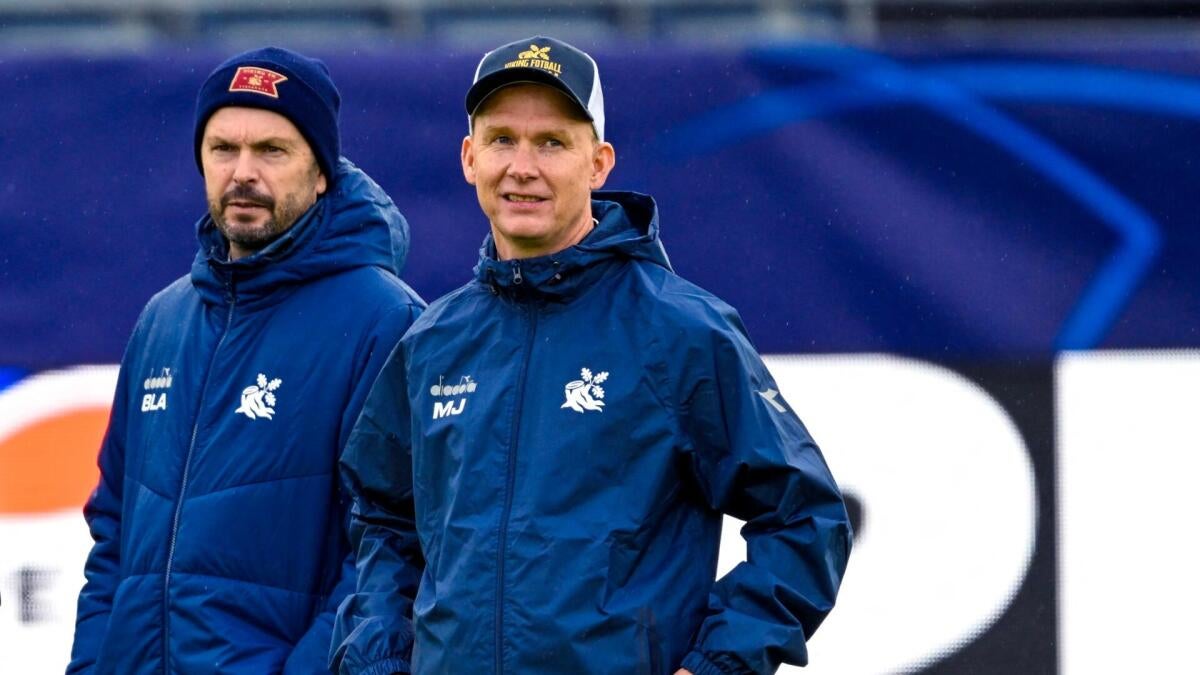
Norwegian club Viking FK made history by appointing dual head coaches Morten Jensen and Bjarte Lunde Aarsheim in 2020, a move that led the team to its first league title in 34 years and a Champions League campaign. The duo guided Viking to a 3-3 draw against Bayern Munich in the competition, showcasing the potential of a shared leadership model.
Viking's Success
Club CEO Eirik Bjorno recalled how the two assistant coaches arrived together for interviews and proposed taking the job as a pair. "It was their idea. We said we needed to pick one of you, and they said that they were going to do it together," Bjorno said. The arrangement has proven successful, with the coaches aligning on most decisions and resolving disagreements internally before presenting a united front to the squad.
Lyngby's Approach
In Denmark, Lyngby adopted a similar dual-head-coach structure after manager Morten Karlsen was dismissed in December 2025. Andreas Bjelland, already an assistant at the club, partnered with Mikkel Jespersen, who had recently left Mainz. The pair emphasized the importance of personal compatibility and clear role division, with Bjelland handling on-ball tactics and Jespersen focusing on defensive organization. Their leadership helped Lyngby secure promotion back to the Danish Superliga.
Balancing Roles
Both coaching pairs stress the need for alignment and structured communication. Jensen and Aarsheim discuss disagreements openly with their staff until consensus is reached, while Bjelland and Jespersen maintain daily clarity on responsibilities. The model provides a built-in sounding board for tactical decisions, which the coaches say eases the pressure of sole leadership.
The trend is spreading, with Lincoln City in the English Championship also moving toward a dual-head-coach setup. If Viking's Champions League performance continues to validate the approach, more clubs may explore shared coaching leadership.


