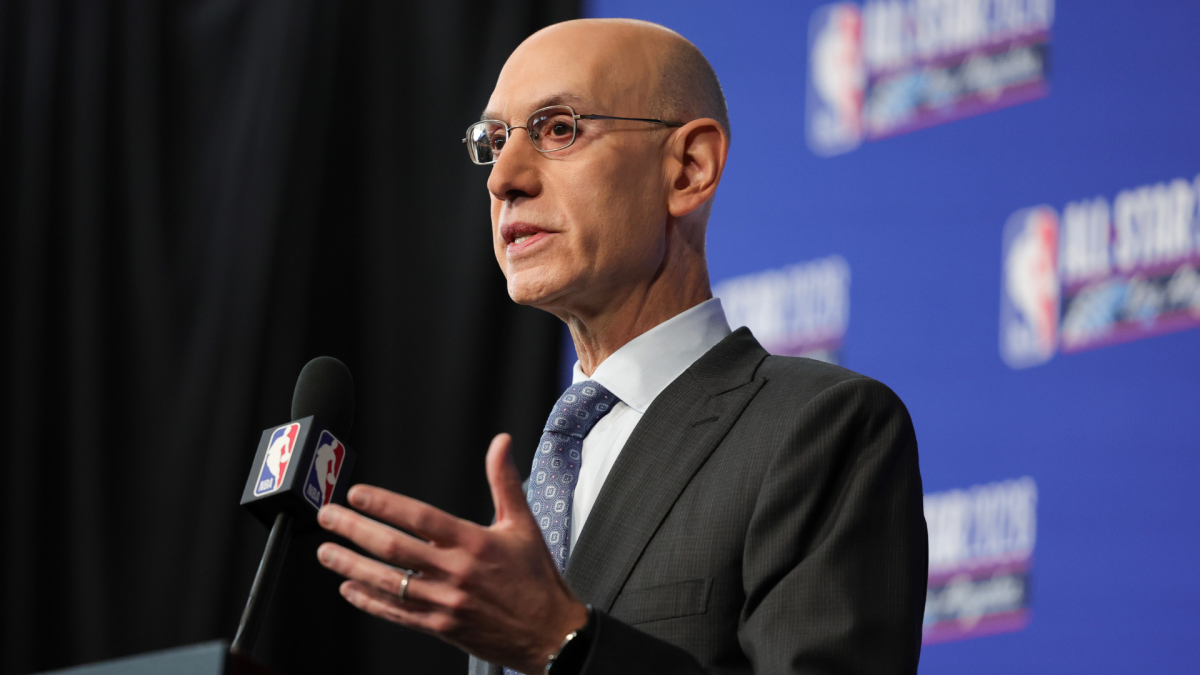
NBA Commissioner Adam Silver has revived the idea of reducing game length from 48 to 40 minutes as the league grapples with an unprecedented early-season injury crisis. Silver, who previously endorsed the concept on The Dan Patrick Show in 2025, argues that a two-hour format aligns with modern television habits and global basketball standards. Dallas Mavericks owner Mark Cuban has also voiced support for the change.
Potential Benefits
Proponents highlight three main advantages. First, fewer minutes could reduce injury opportunities: an 82-game season at 48 minutes totals 3,936 regular-season minutes per team, while 40-minute games would cut that to 3,280 minutes — a 17% reduction. Fresher players may suffer less wear and tear. Second, the NBA would align with college basketball, the WNBA, and FIBA, all of which play 40-minute games, making cross-league comparisons easier. Third, shorter games could introduce more randomness and upsets, potentially increasing entertainment value.
Significant Drawbacks
Critics point to major structural problems. Bench players would be marginalized, as stars could maintain their current workloads while reserves see drastically reduced playing time, undermining the players' union and team-building strategies. The grueling schedule — 41 road games, back-to-backs, limited practice time — would remain unchanged. Additionally, altering game length would render historical records and statistics incomparable across eras, a step the NBA has historically avoided. Alternative solutions, such as a four-point line, have been suggested but carry their own risks.
While the injury crisis demands action, the feasibility of a 40-minute game remains uncertain due to these complex trade-offs.


