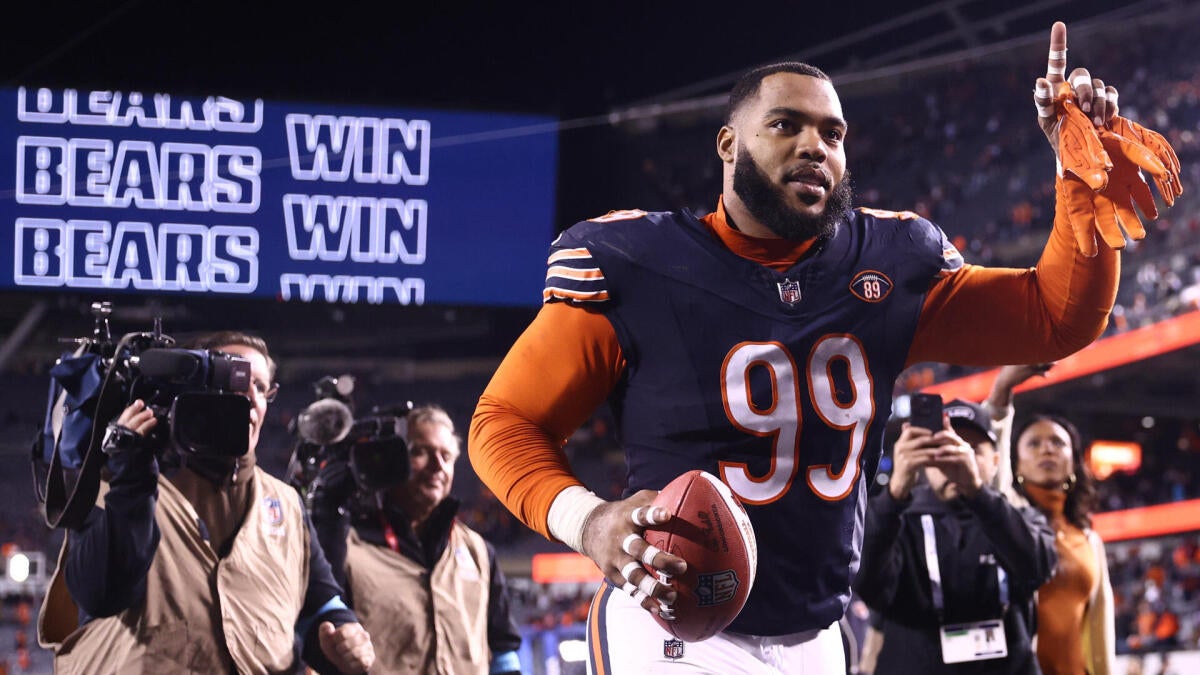
The NFL trade deadline has undergone a dramatic transformation. Less than a decade ago, in-season trades were rare, often numbering in the single digits, and the deadline passed with little fanfare. That is no longer the case. As of 24 hours before the 2026 deadline on November 10, 10 trades had already been completed, with a flurry expected before the 4 p.m. ET cutoff. Star players are moving as contenders load up and rebuilding teams stockpile draft capital, a pattern familiar in the NBA and MLB but relatively new to football.
Record-Breaking Activity
Last season set a modern record with 22 trades from the start of the regular season through the deadline, the most since at least 1995, according to NFL Research. On deadline day alone, 12 players and 14 picks changed hands. From 2010 through 2017, the league logged 12 or more in-season trades only once; since 2018, that figure has become the low-water mark.
Why Trades Were Historically Uncommon
Several structural factors made NFL trades difficult. Contract structures with prorated bonuses create dead-money complications, and the hard salary cap forbids the exceptions seen in the NBA or the unlimited spending of MLB. Football's complexity — massive playbooks, critical timing between quarterbacks and receivers, and 11-man coordination — makes midseason integration challenging. The short 17-game season also keeps more teams in playoff contention longer, reducing the pool of willing sellers. Additionally, draft picks are highly valued for filling large rosters, and fringe players can simply be released if trade offers are unsatisfactory.
Calendar Changes Shift Contention Windows
Until 2011, the deadline fell after Week 6, too early for teams to assess their playoff chances. The NFL and NFLPA moved it to after Week 8 in 2012, and the addition of a 17th game pushed it to the Tuesday after Week 9, effectively the midseason point. This clarity turned the Indianapolis Colts into aggressive sellers this year: at 2-4 after six games they hoped to contend, but at 2-7 after nine games they dealt perennial Pro Bowlers Quenton Nelson and DeForest Buckner.
The "F Them Picks" Mentality
A philosophical shift has driven the surge. General managers increasingly trade premium draft capital for immediate impact. Los Angeles Rams GM Les Snead pioneered the "F them picks" approach, trading first-round picks for stars like Brandin Cooks, Jalen Ramsey, and Matthew Stafford, and in 2026 dealing Jared Verse and multiple picks for Myles Garrett and Trent McDuffie. The strategy delivered a Super Bowl and proved viable, inspiring disciples like Jacksonville Jaguars GM James Gladstone, who spent nine years under Snead. On Monday, Gladstone executed two trades swapping draft picks for instant-impact players.
General Managers Get Creative with Pick Swaps
Even as picks are traded more freely, GMs seek to retain capital. Pick swaps allow teams to exchange draft positions rather than surrender picks outright. Compensatory picks add flexibility: a team acquiring a veteran on an expiring contract can part with a mid-round pick knowing it may be recouped if the player leaves in free agency. Gladstone exemplified this by sending a conditional 2028 sixth-round pick to the New Orleans Saints for Davon Godchaux, a pick that could become a 2027 sixth-rounder if Jacksonville acquires another via trade or the compensatory formula — effectively trading a pick he does not yet own.
Is This the New Normal?
The surge in deadline activity appears durable. Scheduling changes have made midseason trades more viable, and front offices operate in a "what have you done for me lately" environment. With a new roster-construction tool widely adopted, the trade deadline's prominence is likely here to stay.

