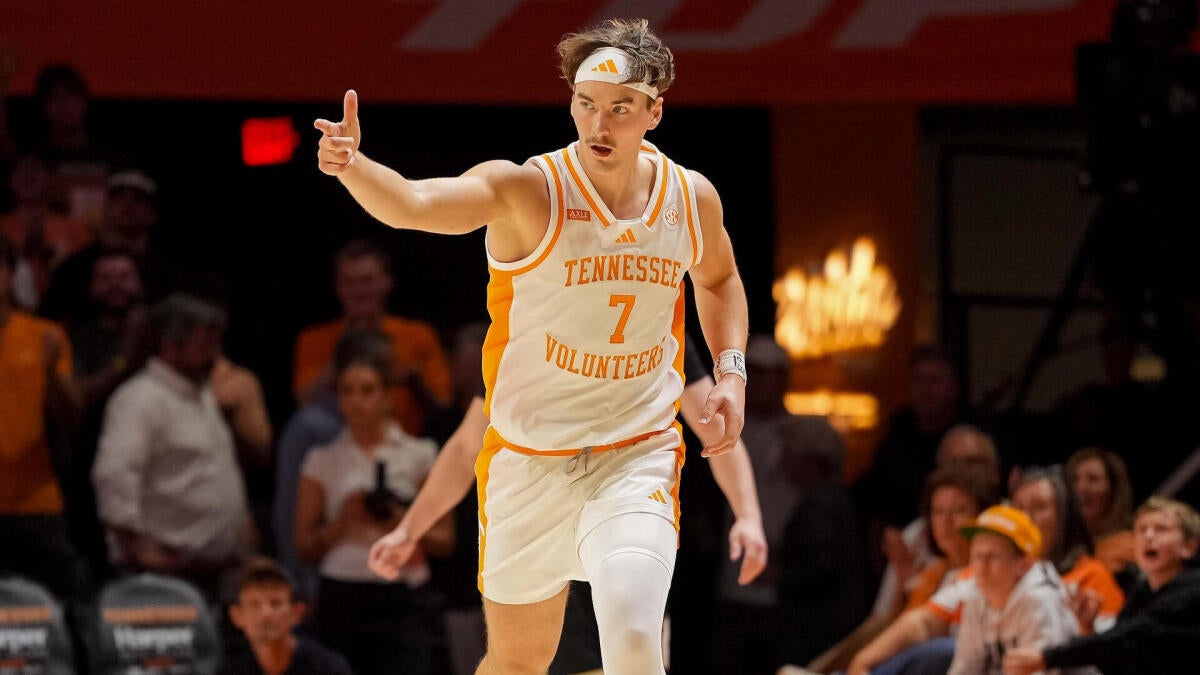
Tennessee Basketball Players Test Collective Bargaining Concept in Mock Exercise
University of Tennessee men's basketball players participated in a mock collective bargaining exercise with the school's athletic department and Athletes.org, marking a notable experiment in athlete representation within college sports. The voluntary initiative, conducted during the offseason, involved elected player representatives — graduate student Tyler Lundblade, junior Campbell Duncan, and sophomore DeWayne Brown II — negotiating a term sheet that outlines potential collective bargaining agreement (CBA) terms.
Athletes.org, established in 2023 to empower college athletes amid shifting regulations, partnered with Tennessee to demonstrate how players and third-party representation can bargain with schools for equal rights in the multibillion-dollar industry. Athletic director Danny White, who has led the department since 2021, praised the process, stating that collective bargaining is a proven model in professional sports and that sharing perspectives through meaningful dialogue should not be feared.
The experiment comes as the NCAA continues lobbying Congress for antitrust protection to cap athlete earning potential, most recently through the Protect College Sports Act, which passed the Senate but faces an uncertain future in the House. Tennessee's approach aims to show that school-level bargaining could provide a viable path forward without relying on federal legislation.
The released term sheet is structured around five pillars: Money & Compensation, Player Movement, Health, Wellness & Time Commitment, Rules & Enforcement, and Academic & Support. Key provisions include direct pay-for-play (not tied to name, image, and likeness deliverables), a salary floor for all roster players, guaranteed payments despite injury, health insurance extending at least two years post-eligibility (five years for veterans, lifetime for catastrophic injuries), and a transfer portal window opening at least one week after the NCAA championship game. The model also proposes a neutral arbitrator to oversee disputes.
Player representative DeWayne Brown II emphasized that athletes understand their experience and deserve a voice in shaping their future. Athletes.org is conducting a similar experiment with Tennessee's football program. While the terms are not legally binding under current law, the exercise provides a detailed blueprint that could inform future collective bargaining efforts across college sports.


