IJAS opens new horizons for the localization of well equipment technology in cooperation with DOTS Engineering Industries
In a highly significant strategic move aimed at significantly reducing import bills and promoting full reliance on national competencies, Egyptian Natural Gas Holding Company (EGAS) actively participated in specialized technical events organized by DOTS Engineering Industries in cooperation with the American company Energy Services, to explore all means of localizing the technology for manufacturing and maintaining well control and blowout prevention equipment, commonly referred to as BOP, which represents a qualitative shift in the path of the country’s petroleum and gas industries towards self-sufficiency and advanced local manufacturing.
This extensive participation is a precise and direct implementation of the directives of Eng. Karim Badawi, Minister of Petroleum and Mineral Resources, which are primarily aimed at maximizing the full utilization of Egyptian companies’ capabilities, and under the close and continuous follow-up of Eng. Sid Selim, Executive Managing Director of EGAS, to enhance the desired industrial integration and increase the proportion of local content in all existing and future petroleum and gas projects.
Leadership presence and review of the latest international standards
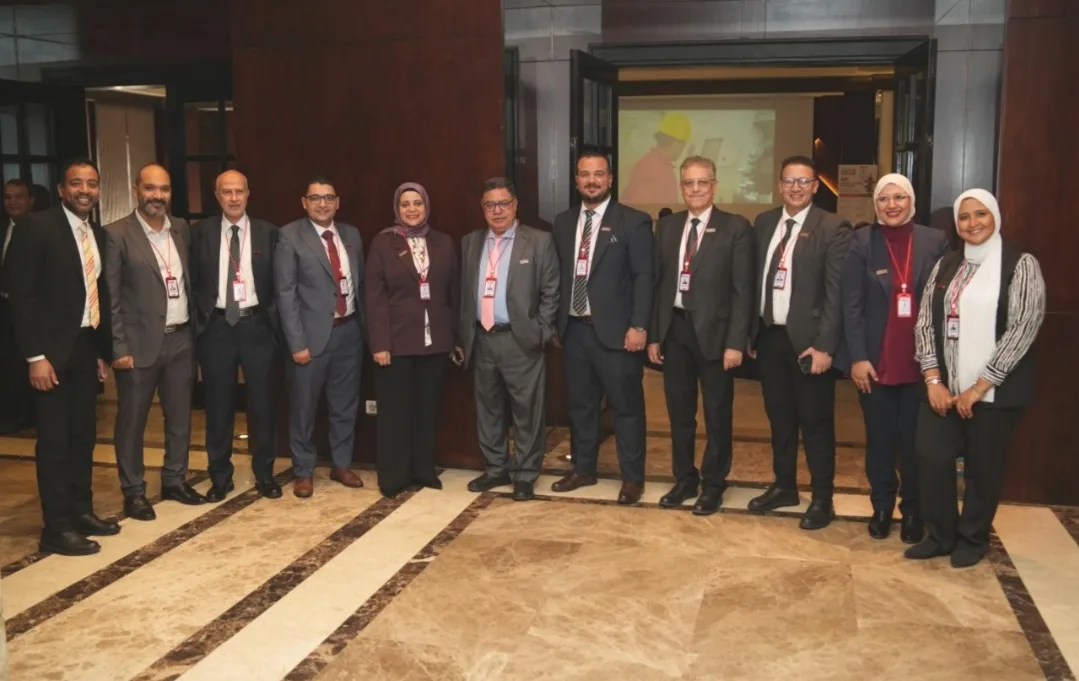
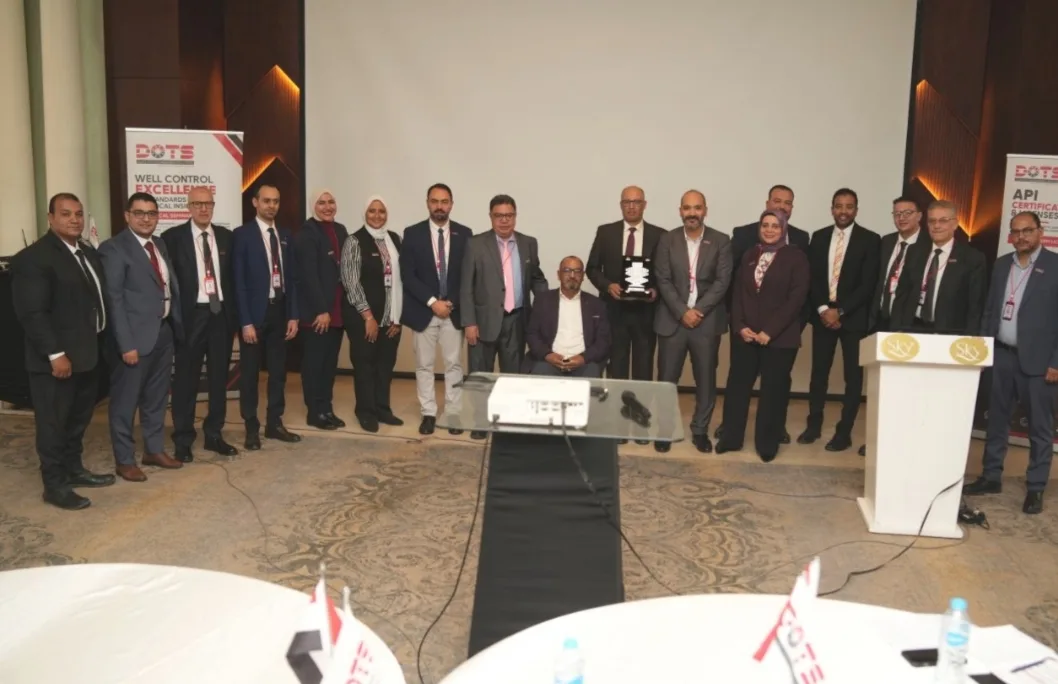
The event, which was held under the distinguished title “Well Control Excellence: API Standards & Technical Insights”, featured the prominent participation of Eng. Abdel Nasser Khafaji, Deputy Executive Managing Director of EGAS for Production and Field Development, along with the presence of a distinguished group of leaders and experts from the Egyptian petroleum sector.
The sessions were opened with a welcoming speech delivered by Eng. Mohamed Abu Shadi, founder and chairman of DOTS, followed by a comprehensive and detailed technical presentation covering the latest global technologies used in the design, manufacture, and testing of blowout prevention equipment (BOP), with a strong focus on the strict application of international standards issued by the American Petroleum Institute (API), notably the approved standards (16A, 16C, 17D, 6A, 7K).
Facing supply chain challenges and supporting the national economy
In his opening speech, Eng. Abdel Nasser Khafaji emphasized that the petroleum sector prioritizes the empowerment of national companies, noting that the localization of these sophisticated industries represents a strong barrier to face global challenges related to supply chain disruptions and current geopolitical conditions, as well as achieving genuine added value for the Egyptian economy.
He explained during his speech that the promising opportunities that Egypt possesses in the field of natural gas discoveries necessarily require the acceleration of linking new discoveries to the actual production map, which in turn requires the availability of advanced equipment and local manufacturing capabilities that strictly adhere to the highest quality, occupational safety, and environmental standards.
Integrated industrial partnerships and success stories
During the events of this meeting, representatives of the General Petroleum Corporation emphasized the successful and fruitful cooperation with DOTS, which has proven its worthiness and high competence as a strategic partner in providing drilling equipment and providing necessary field maintenance and repair services, thus directly contributing to accelerating the pace of work and providing innovative technical solutions on the ground.
These serious moves and the new vision of the Egyptian petroleum sector reflect the shift towards building integrated industrial and technical partnerships with the national private sector; thus ensuring the accurate transfer of global expertise, raising the efficiency of available assets, achieving sustainability, and continuously and permanently increasing production rates.