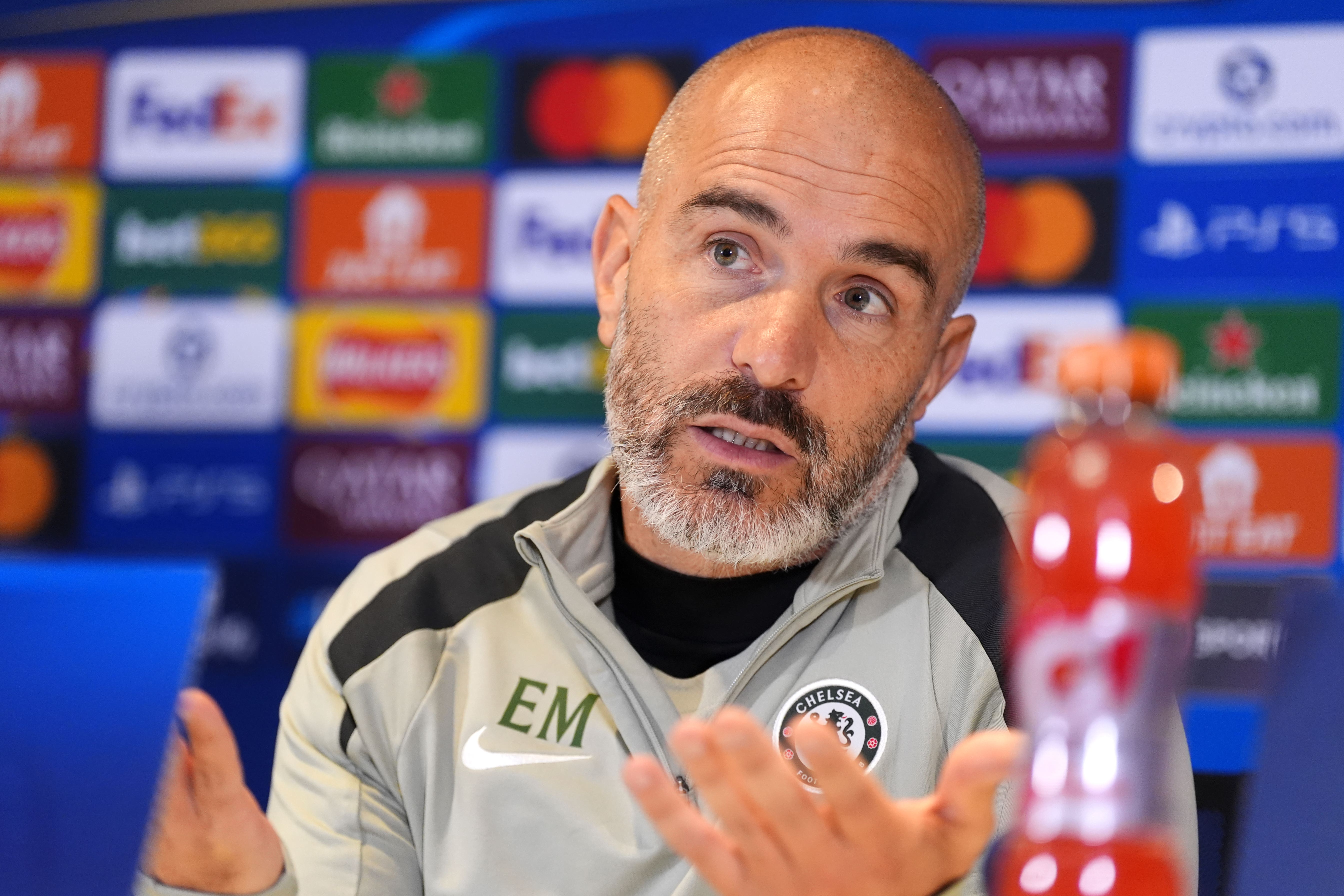
Manchester City manager Enzo Maresca faces a critical international break to address a sharp reversal in form after a dream start to the season. The Italian led City to a record seven consecutive Premier League victories, but three straight defeats have left the champions six points behind leaders Arsenal. The downturn coincides with the club's guilty verdict for breaching Premier League financial rules in September, with an appeal pending and potential sanctions looming.
Psychological impact of financial charges
Sports psychologist Dr Paul McCarthy, with 25 years' experience at top European clubs, suggests the uncertainty surrounding the appeal is affecting the squad's collective efficacy. "When people are uncertain about their future, that uncertainty leads to a lack of perceived control," McCarthy told BBC Sport. "Uncertainty is often more stressful than bad news." After the verdict, City won their first two matches but have since lost to Aston Villa, Brighton, and Nottingham Forest, with defensive errors mounting.
Tactical vulnerabilities exposed
Tactical analyst Umir Irfan highlights a shift to a 3-1-6 formation that trades a second holding midfielder for an extra attacker. Elliot Anderson, naturally a roaming midfielder, has been moulded into a sitting role after Rodri's departure, but his tendency to step out of position has left central spaces exposed. Enzo Fernandez's frequent attacking runs further reduce defensive cover, leaving City vulnerable to counter-attacks. The team has conceded 13 goals in 10 league games — the highest at this stage since 2008-09 — with four individual errors directly leading to goals in the last three matches. The absence of Rodri and Bernardo Silva, who previously anchored build-up play, has amplified these issues. Maresca acknowledged after the Nottingham Forest loss: "You concede transitions when you lose the ball, and when you don't win duels."


