Major League Baseball and the MLB Players Association are deep into negotiations for a new collective bargaining agreement (CBA) before the current deal expires on December 1, 2026. The central dispute remains the owners' push for a salary cap, which the union views as a non-starter. In its latest move, MLB proposed a phase-in period that would delay implementation of a salary cap and floor until 2028, allowing teams a full offseason to prepare. The league also raised its proposed cap to $258.3 million and floor to $180.2 million, up from $245.3 million and $171.2 million in June.
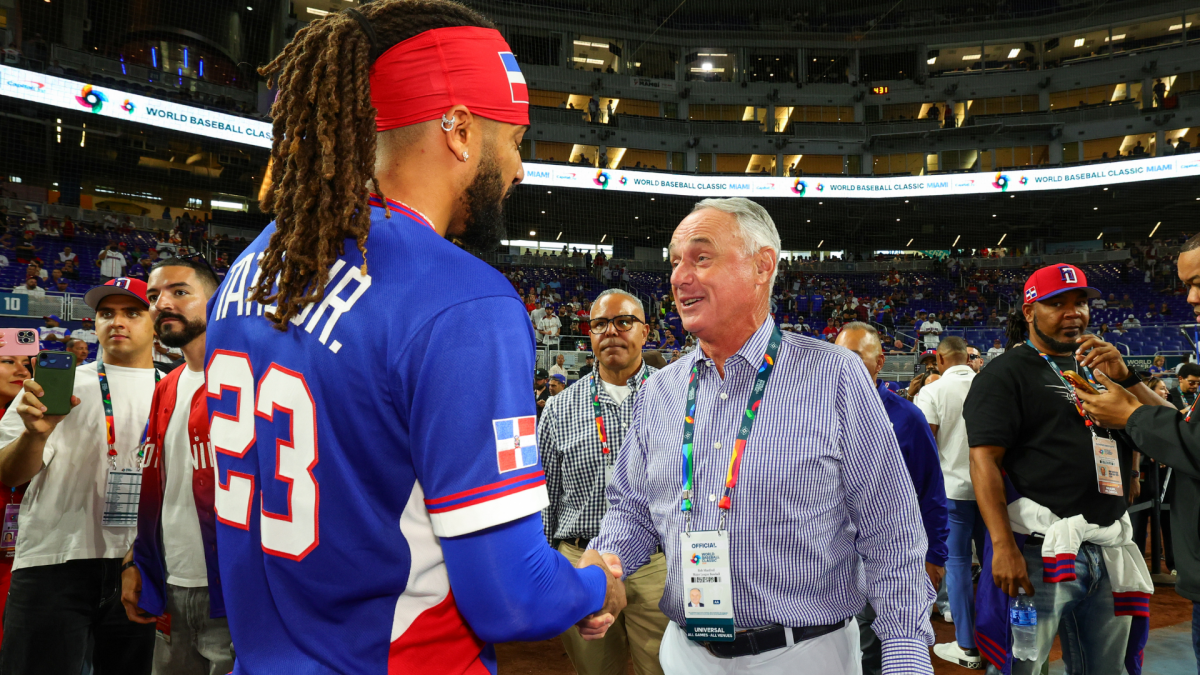
Commissioner Rob Manfred stated that ownership is more united than ever behind the cap, arguing it addresses competitive balance concerns. MLBPA interim head Bruce Meyer countered that a cap amounts to "institutionalized collusion" and would reduce player share of revenues. The union has proposed a "competitive integrity tax" on low-spending teams, a higher minimum salary of $1.5 million, and increased revenue sharing with protections for winning.
Other league proposals include reducing the regular season from 162 to 154 games, expanding the Division Series to best-of-seven, and allowing higher seeds to pick opponents. Roster rule changes would set weekly rosters, increase pitcher limits to 14, and shorten injured-list stays. Draft overhauls would cut rounds from 20 to 12, eliminate high school eligibility, and impose a $200 million hard bonus pool. All MLB proposals are contingent on union acceptance of a cap-and-floor system.
Player polling shows strong opposition to a cap, though a minority are open to discussion. President Donald Trump publicly endorsed a salary cap in June. With negotiations ongoing, both sides hope to avoid a lockout that could delay the 2027 season if no deal is reached by mid-March 2027.